Concrete Repair & Replacement
Don't let cracked, broken, or damaged concrete bring down your property value or create safety hazards.
When to Repair vs Replace
You walk past that cracked concrete every day and wonder if it needs fixing now or if you can wait. The answer depends on what kind of damage you have and how bad it has gotten. Small hairline cracks that don't affect the structure can often be repaired with filling and sealing. But when cracks spread wide enough to stick your finger in, or when sections of concrete sink and create trip hazards, you need more than a simple patch job.
Surface cracks happen naturally as concrete ages and goes through temperature changes. If your concrete still sits level and the cracks stay thin, we can repair those without tearing everything out. We clean out the cracks, fill them with specialized materials, and seal the surface to prevent water from getting in and making things worse. This kind of repair extends the life of your concrete and prevents small problems from turning into big ones.
Major damage tells you it is time to replace rather than patch. When you see concrete that has sunk several inches, chunks that have broken off completely, or widespread cracking that covers most of the surface, repair work will not hold up long term. Foundation problems underneath, poor drainage, or tree roots pushing from below cause this type of damage. Replacing damaged concrete means addressing the root cause and starting fresh with proper preparation.
We help you make the right call based on your specific situation. During an inspection, we look at the extent of damage, what is causing it, and how much repair work your concrete needs. Sometimes spending money on extensive repairs costs almost as much as replacement but gives you a shorter lifespan. Other times, targeted repairs buy you many more years of service. Our team gives you honest recommendations about which approach makes sense for your property and budget.
Common Concrete Problems We Fix
Living in La Porte means your concrete faces specific challenges. Our clay-rich soil expands when wet and contracts when dry, which puts constant pressure on concrete slabs. Add in our heat, humidity, and occasional heavy rains, and you get conditions that stress concrete over time. We see the same problems come up again and again, and we know exactly how to fix them.
Problems We See Every Week
- Cracks from settling or soil movement underneath the slab
- Sunken sections that create uneven surfaces and trip hazards
- Spalling where the surface layer flakes off and exposes aggregate
- Water pooling due to poor drainage or improper slope
- Crumbling edges where concrete breaks down along borders
- Root damage from trees growing too close to slabs
Spalling happens when water gets into the concrete, freezes, and breaks the surface layer apart. Even though we don't get hard freezes often in Texas, the moisture penetration still causes surface deterioration over time. We remove the damaged surface layer and apply a new overlay or patch that bonds to the existing concrete. This restoration work brings back both the appearance and function of your concrete.
Settlement issues occur when the soil underneath shifts or washes away. You end up with concrete that slopes the wrong way or creates steps where everything should be level. We can lift and level sunken concrete using specialized techniques, or remove and replace sections that have moved too far. The key is fixing whatever caused the settlement in the first place so the problem does not come back after we finish the repair work.
Tree root damage presents a tough choice. Cutting the roots can harm or kill the tree, but leaving them means ongoing pressure against your concrete. We talk through your options and help you decide whether to work around the roots, remove the tree, or install barriers that protect both the tree and your concrete. Every situation is different, and we base our recommendations on what we see at your property.
Our Repair and Replacement Process
Every repair or replacement job starts with a thorough inspection. We need to understand what caused the damage before we can fix it properly. If water drainage is the problem, we address that first. If soil conditions are causing movement, we prepare the base differently. Treating symptoms without fixing causes just sets you up for the same problems down the road.
What Happens Next
For repairs, we clean and prepare the damaged areas by removing loose material and dirt. The repair material needs a clean surface to bond properly. We use commercial-grade concrete repair products that match the strength and color of your existing concrete. These materials are not the same as what you find at a hardware store. They bond better, cure harder, and last much longer.
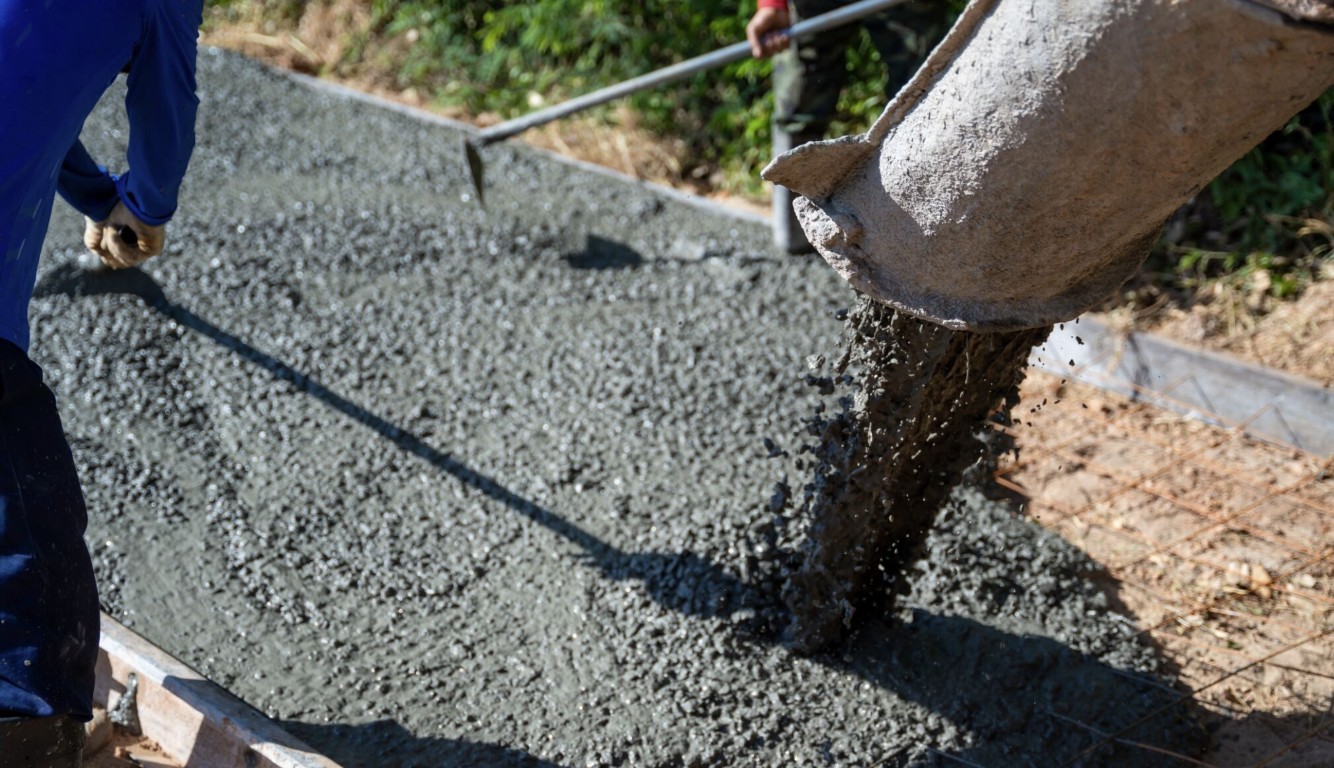
Replacement work means removing the damaged concrete completely. We cut clean lines around the area we're taking out to avoid damaging good concrete nearby. Then we excavate, prepare the base, install proper reinforcement, and pour new concrete that matches your existing slabs. We pay close attention to joints and transitions so the new section integrates seamlessly with what you already have. Quality foundation preparation makes all the difference in how long your new concrete lasts.
The curing process matters just as much as the installation. Concrete gains strength over several days and weeks, not instantly. We protect fresh concrete from drying out too quickly, extreme temperatures, and heavy loads during the curing period. Rushing this step leads to weaker concrete that develops problems sooner. We give you clear guidance about when you can walk on the repaired areas and when they're ready for vehicle traffic.
After repairs or replacement, we seal the concrete to protect it from moisture and staining. The sealer soaks into the surface and creates a barrier against water, oil, and other materials that can cause damage. This protection extends the life of your concrete and keeps it looking better longer. We recommend resealing every few years to maintain that protection, and we can handle that ongoing maintenance for you.