Stamped & Decorative Concrete
Get the elegant look of stone, brick, or tile with the durability and value of concrete.
The Beauty of Decorative Concrete
You want a beautiful outdoor space without spending a fortune on natural stone or pavers. Decorative concrete gives you exactly that. Through stamping, staining, and other techniques, we transform plain concrete into surfaces that look like expensive materials. Your driveway, patio, or walkway can have the appearance of slate, flagstone, brick, cobblestone, or even wood planks.
Stamped concrete uses textured molds pressed into fresh concrete before it hardens. These molds create realistic patterns and textures that mimic natural materials. The detail in modern stamps is impressive, capturing the grain of wood, the edges of stone, and the character of aged brick. Most people cannot tell the difference between stamped concrete and the real materials it imitates.
Color options make decorative concrete even more realistic. We can integrate color throughout the concrete mix, apply surface color hardeners, or use acid stains and dyes after installation. Multiple colors can be combined to create depth and variation just like natural stone. A well-executed decorative concrete surface rivals natural materials for beauty while costing significantly less.
The design possibilities are nearly endless. You can choose from dozens of stamp patterns ranging from traditional to contemporary styles. Mix different patterns to create borders, accents, or define separate areas. Custom combinations let you create a unique look that matches your home and personal taste. We work with you to select patterns and colors that complement your existing landscaping and architecture.
Stamped Concrete vs Other Materials
Natural stone patios and driveways cost two to three times more than stamped concrete for similar appearance. You pay premium prices for quarrying, cutting, and shipping heavy stone. Installation takes longer because each stone must be individually placed and leveled. Stamped concrete delivers comparable visual impact at a fraction of the cost and installs in much less time.
Durability and Maintenance Benefits
Pavers create beautiful patterns but come with ongoing maintenance headaches. Individual pavers shift and settle over time, creating uneven surfaces and trip hazards. Sand between pavers washes out and needs replacement. Weeds grow through the gaps, requiring constant attention. Ants and other insects nest in the sand base under pavers. Stamped concrete eliminates all these problems with a solid, continuous surface.
- Costs 40 to 60 percent less than natural stone installation
- No gaps for weeds to grow through like pavers
- Stays level without individual pieces settling
- Easier to clean than textured natural stone
- More slip-resistant than smooth tile or polished stone
- Better resistance to freeze-thaw cycles than many natural materials
The maintenance for stamped concrete is straightforward. Sweep or rinse the surface regularly to keep it clean. Reapply sealer every few years to maintain protection and color vibrancy. That is it. You do not pull weeds, reset pavers, or worry about individual stones cracking. The solid concrete surface under the decorative finish provides durability that outlasts many other materials.
Stamped concrete handles Texas weather better than many alternatives. Wood decking warps, splinters, and requires regular sealing or staining. Composite decking fades and becomes uncomfortably hot in direct sun. Tile can crack with temperature changes. Properly installed stamped concrete stays stable through heat, cold, rain, and sun exposure. The surface texture provides traction when wet, making it safer than smooth materials.
The Stamping Process and Techniques
Creating beautiful stamped concrete requires precise timing and skilled execution. The process starts with standard concrete installation including site prep, base work, and forming. We pour and level the concrete just like any other project. The decorative work begins when the concrete reaches the right consistency, firm enough to hold patterns but still soft enough to accept impressions.
Color hardeners are broadcast onto the fresh concrete surface before stamping. These powder materials add color and increase surface durability. We apply the color evenly across the entire surface, then work it into the concrete. A second accent color can be added to create depth and variation. The color hardener becomes part of the concrete surface, not just a coating on top.
Creating Lasting Impressions
Release agents prevent the stamps from sticking to the concrete while adding subtle color variation. We apply powdered or liquid release evenly over the colored surface. The release agent also acts as an antiquing agent, settling into the low areas of the stamped pattern to create realistic depth and character. This contrast makes the pattern look more authentic.
Stamping requires teamwork and experience. Our crew works quickly to impress the pattern molds into the concrete before it hardens too much. Each stamp must be carefully aligned with the previous impressions to maintain the pattern. We walk on the stamps to press them firmly into the surface, creating deep, clear impressions. The edges where stamps meet need special attention to avoid obvious seams.
Cutting in edges and creating detail work happens during and after stamping. We use hand tools to create crisp edges along walls, borders, and curves where the large stamps cannot reach. Detail work around obstacles or in tight spaces requires skill to match the stamped pattern. This attention to detail makes the difference between amateur and professional results.
After the concrete hardens, we clean the surface to remove excess release agent. This reveals the true colors and patterns. We then apply a high-quality sealer that protects the surface and enhances the colors. The sealer provides a wet look that makes colors pop and adds a subtle sheen to the surface. Proper sealing protects your investment and makes maintenance easier. The entire process from pour to finished surface takes one to two days depending on project size and complexity.
Design Options and Popular Patterns
Stone patterns are the most popular choice for stamped concrete. Flagstone, slate, and cobblestone stamps create natural-looking surfaces perfect for patios and walkways. These patterns work well with earth-tone colors for a traditional look or can be colored in grays and blues for a more contemporary feel. Random stone patterns provide organic, irregular layouts while ashlar patterns offer more geometric, structured designs.
Brick patterns bring classic charm to driveways and patios. Running bond, herringbone, and basket weave layouts mimic traditional brick installations. These patterns work especially well for formal entries and traditional home styles. Brick stamps can be colored in standard red clay tones or more unusual colors like charcoal, tan, or buff for different effects.
Wood plank stamps create the appearance of wood decking or hardwood floors in outdoor spaces. This look is increasingly popular for modern patios and pool decks. The wood grain texture in the stamps is remarkably realistic. Colors range from natural wood tones to weathered gray finishes. Wood plank patterns work best in large, simple layouts where the linear pattern creates clean lines.
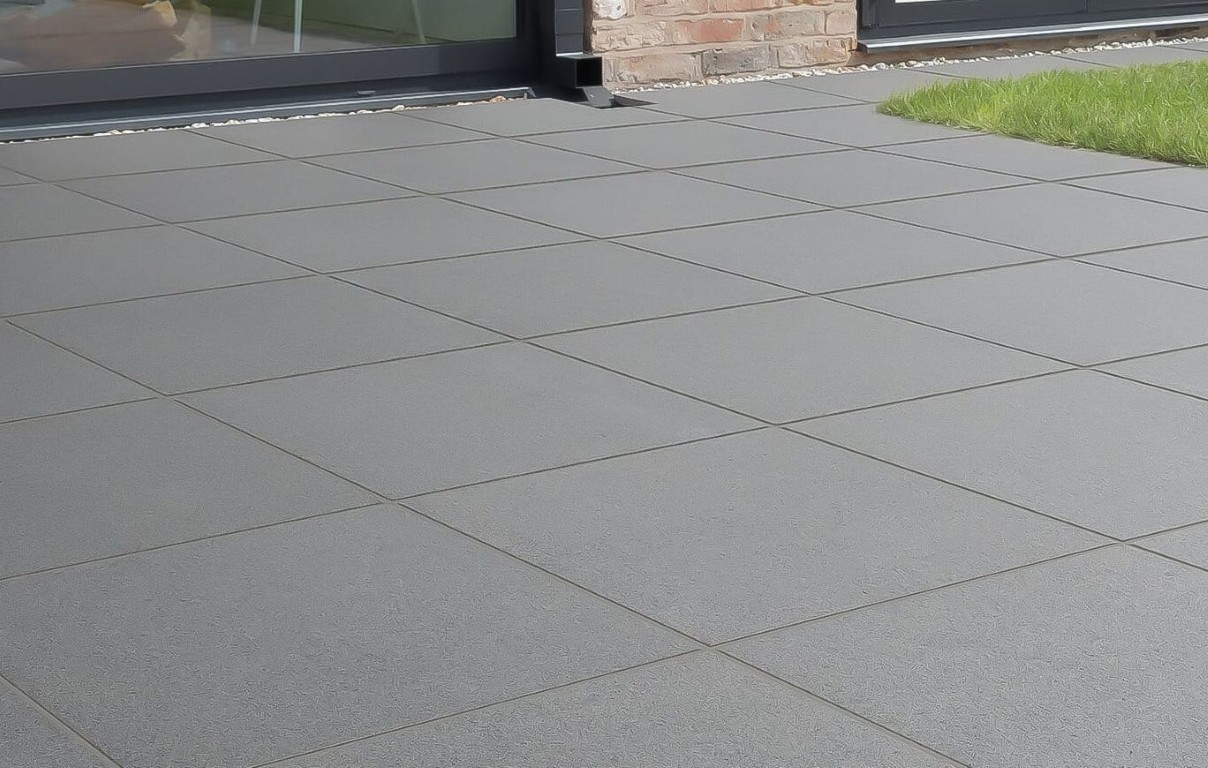
Tile and geometric patterns offer contemporary styling for modern homes. Square, rectangular, and hexagonal tiles can be arranged in various layouts. These patterns create sleek, sophisticated surfaces that complement modern architecture. Clean lines and consistent patterns make these designs stand out. Colors for tile patterns often use grays, whites, or bold contemporary hues.
Customizing Your Design
Borders and accents add definition and character to stamped concrete. A contrasting border frames the main area and creates visual boundaries. We can use different stamp patterns, colors, or both for border treatments. Accent strips or bands divide large areas and add architectural interest. These design elements make your project look custom and intentional rather than plain.
Color choices dramatically affect the final appearance. Earth tones like browns, tans, and terra cotta create warm, natural looks. Grays and charcoals provide sophisticated, contemporary styling. Multiple colors can be blended or layered for depth and variation. We can match existing materials on your property or create intentional contrast. The color and pattern combination you choose should complement your home style and personal preferences while considering how the space will be used.
Frequently Asked Questions
Ready to Get Started?
Contact us today for a free consultation and detailed quote for your decorative concrete project.